
Supporting children with ASD in daycare and kindergarten
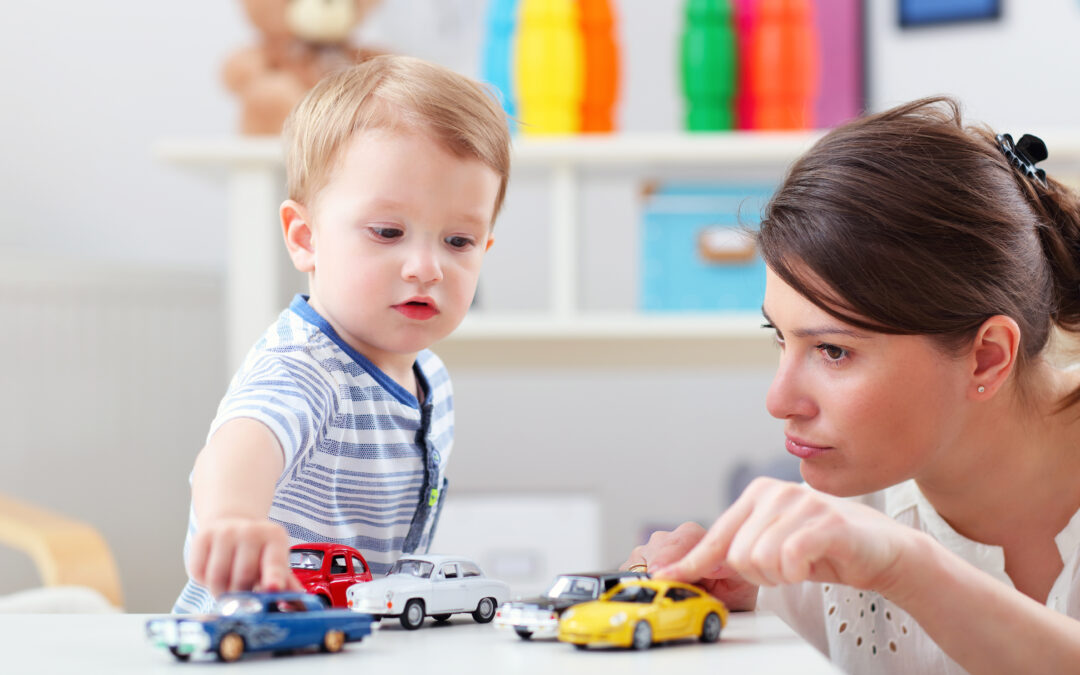
What do children in daycare centers and kindergartens need from caregivers if they don't want to participate, don't want to join in, don't want to be shown anything? aren't interested in the available play materials or processes? can only rely on a limited repertoire of...
What is Floortime?
What exactly is Floortime? Floortime is not just another method or short training course that you can use from time to time - it is a HOLDING with a holistic view of humanity. DIRFloortime...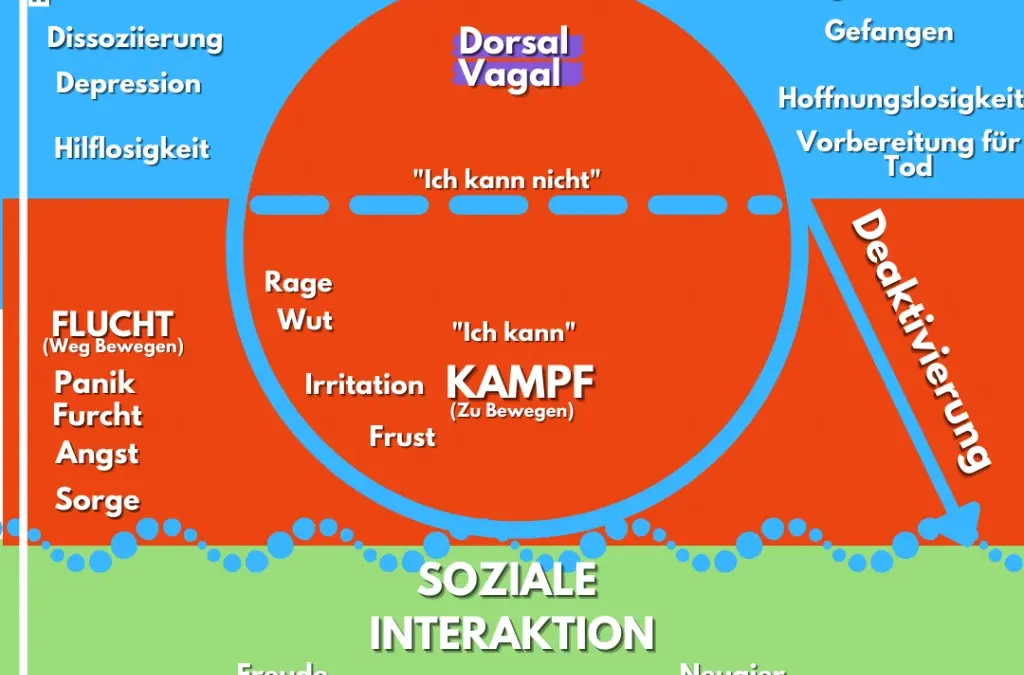
Understanding challenging behavior (green-red-blue)
We are often confronted with challenging behavior, for example when a child shows very controlling behavior and simply won't stop doing something or insists on having his way. Traditional methods with rational explanations to the...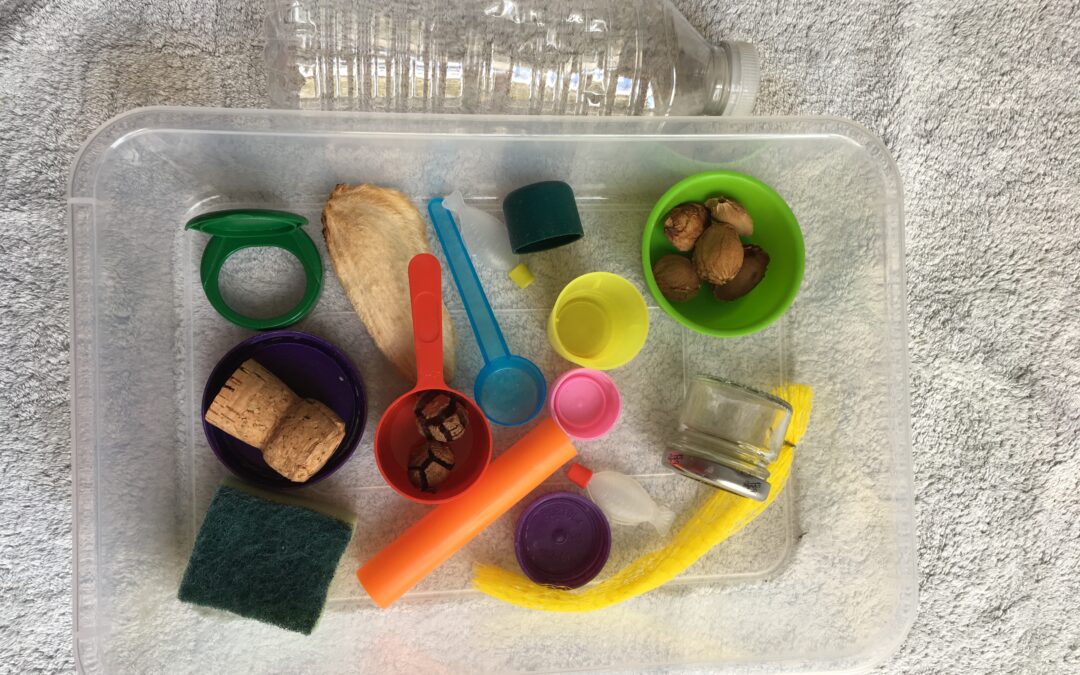
Water feature at the table
Water is this unique medium that envelops you and seems to offer no resistance, that can carry you but cannot be held. To hold it, you need a container that gives the water a shape and a boundary, and then a second...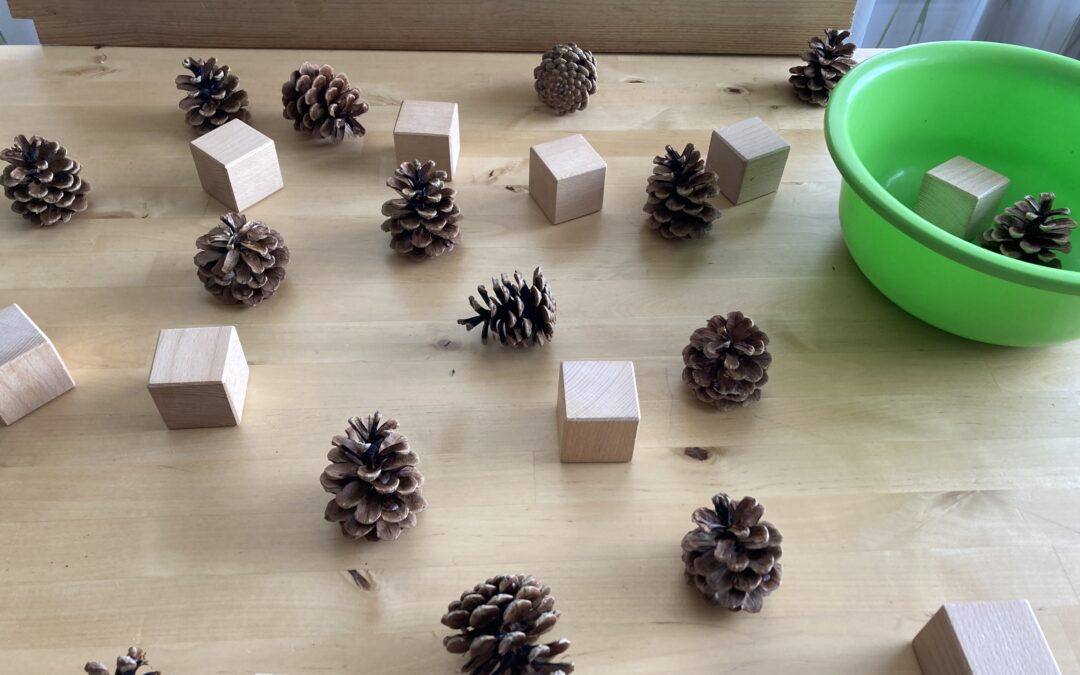
Early play & learning: The 6 basic principles
Learning begins with DOING. And doing requires our hands in particular. Young children are usually constantly busy reaching for things, wanting to „have“ them and take them in their hands. And this is of crucial importance, because in this way...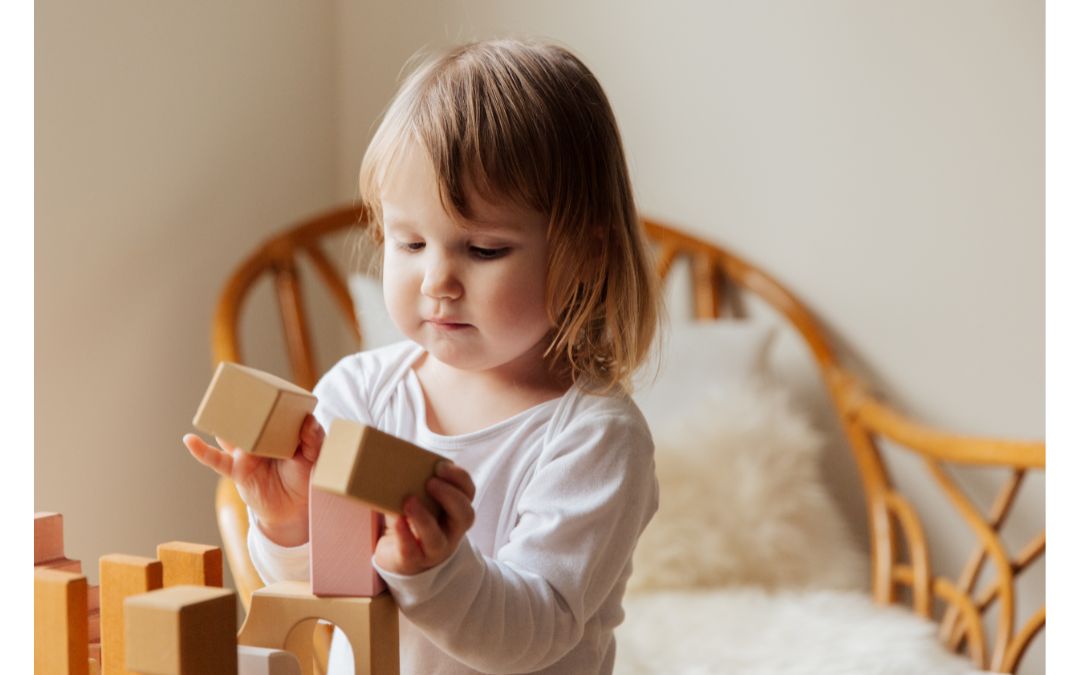
10 basic activities for early play & learning
A child must have developed the following 10 fundamental play activities and rudimentary movement patterns well enough to be able to play and learn, as all further learning builds on these skills: 1. picking up and putting away: Picking up objects with the...
What do children who can't play and learn need?
More and more children have learning difficulties, leading to an autism diagnosis more and more frequently these days. They often have few activities to engage in, leading to a vicious cycle of fewer and fewer new and closer experiences. This...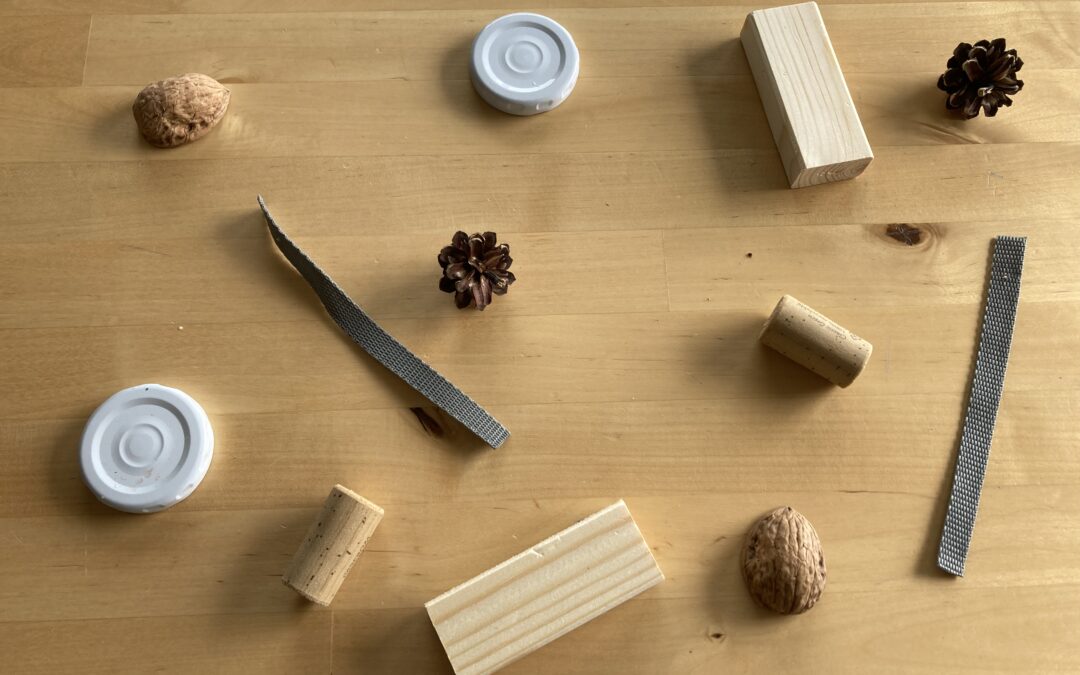
Game activity: Form pairs
Matching is first about understanding that two objects form a PAIR because they are more similar than different, even if they are not exactly identical. Early matching begins with learning to match two identical objects that are...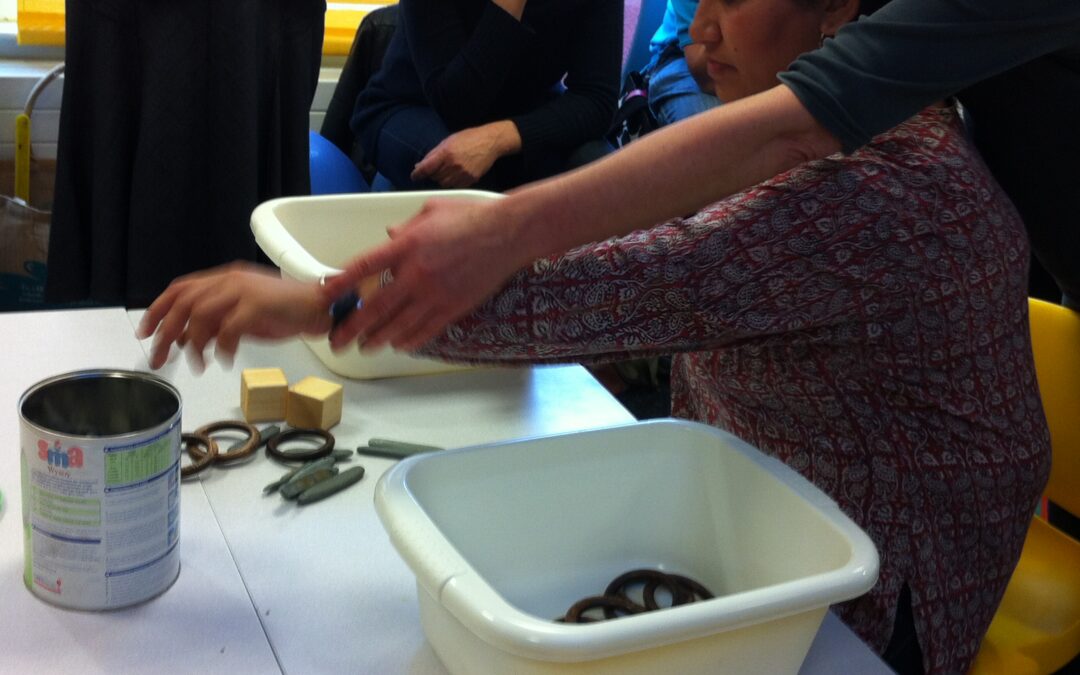
Guide for the Waldon companion
The Waldon learning facilitator (parent and practitioner) in the non-interactive learning lesson is aware that: The child learns primarily through his or her own movements in the available* physical space (*sometimes physical limitations restrict the child's...
The Waldon Method I: Where 'Learning to Learn' Begins
How can we help a hard-to-reach child who finds nothing interesting and does and wants to do nothing but run back and forth, bounce, lie around, shake things, throw things, scream, or bite? This is where I often resort to the Waldon Method....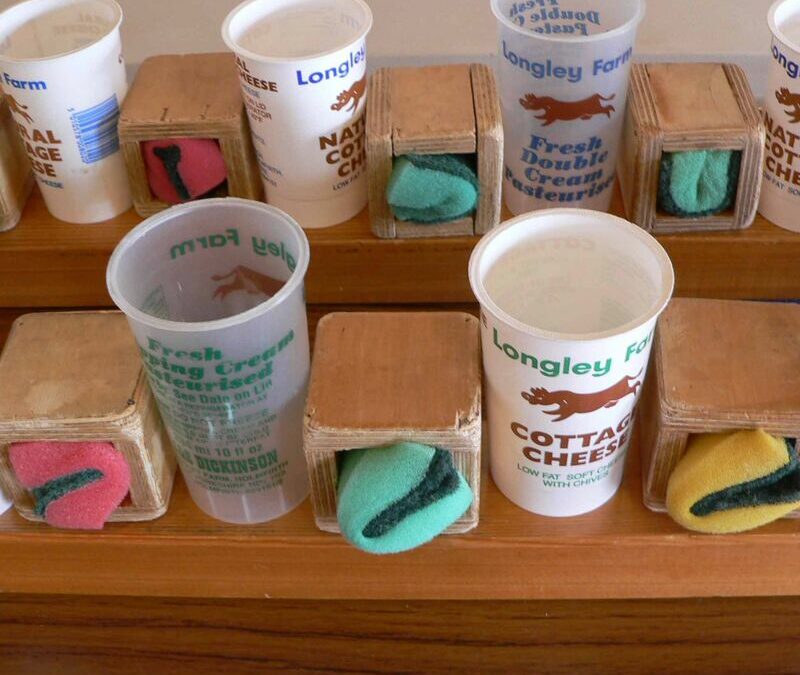
The Waldon Method II: The Learn-to-Learn Equipment
The Waldon Method is an educational approach by English neurologist Dr. Geoffrey Waldon, based on direct observations of typical human development and the essential mechanisms of learning in the early months and years. While the ideas...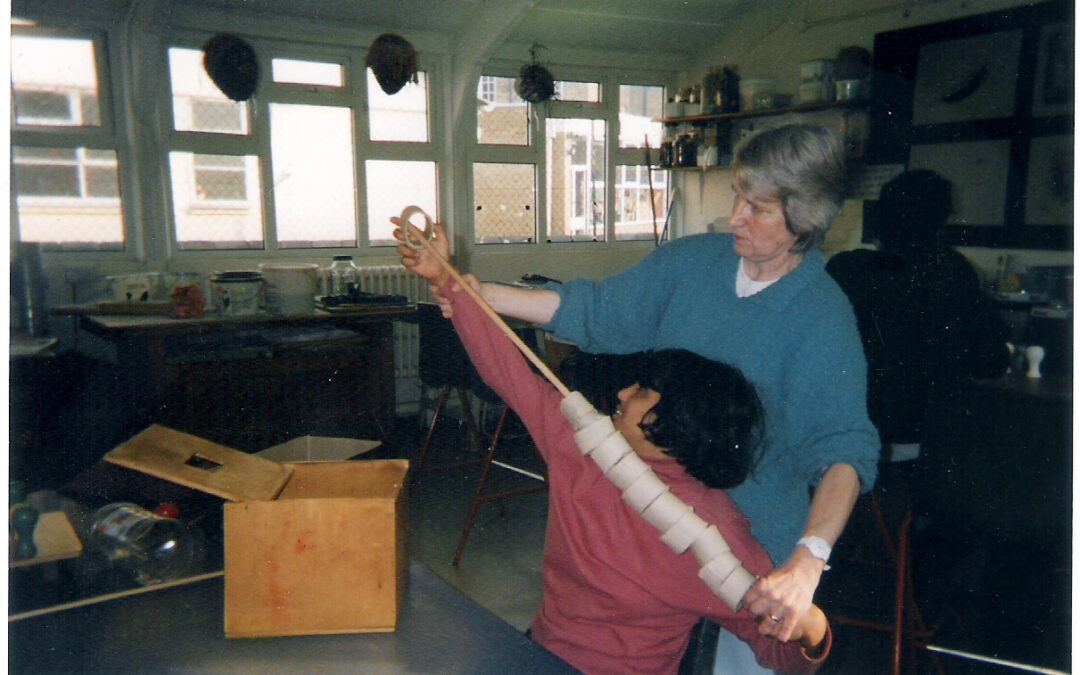
The Waldon Method III: The Waldon Lesson
The Waldon Practitioner As a Waldon practitioner and learning facilitator, you are aware that the child learns primarily through his or her own movements. Why? Movements activate the sensory receptors in the muscles, joints and tendons and send nerve impulses to the...
Key turning points in the development of a child
Healthy development is the result of rich and varied interactions between the child and his environment, both with people and with the things around him. Although every child comes with certain character traits, temperaments, sensory and...