

Tips, Ideas & Stories
What Really Helps Children with Autism
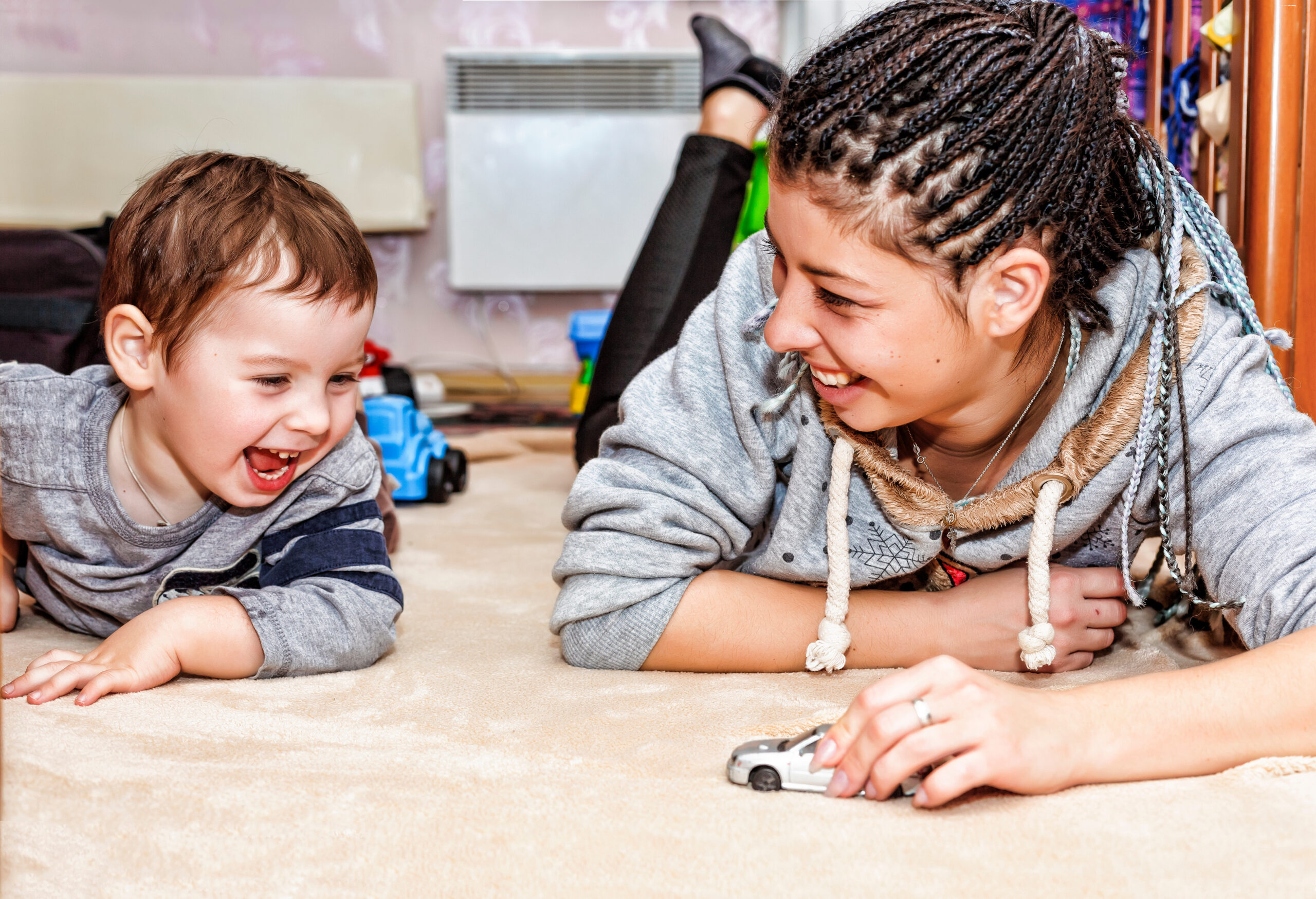
How a DIRFloortime approach helps children with autism-like behaviors and/or autism develop language—as opposed to teaching—the focus on teaching hinders the development of independent thinking, devalues it, and is the opposite of…
How DIRFloortime and the Waldon Method Complement Each Other
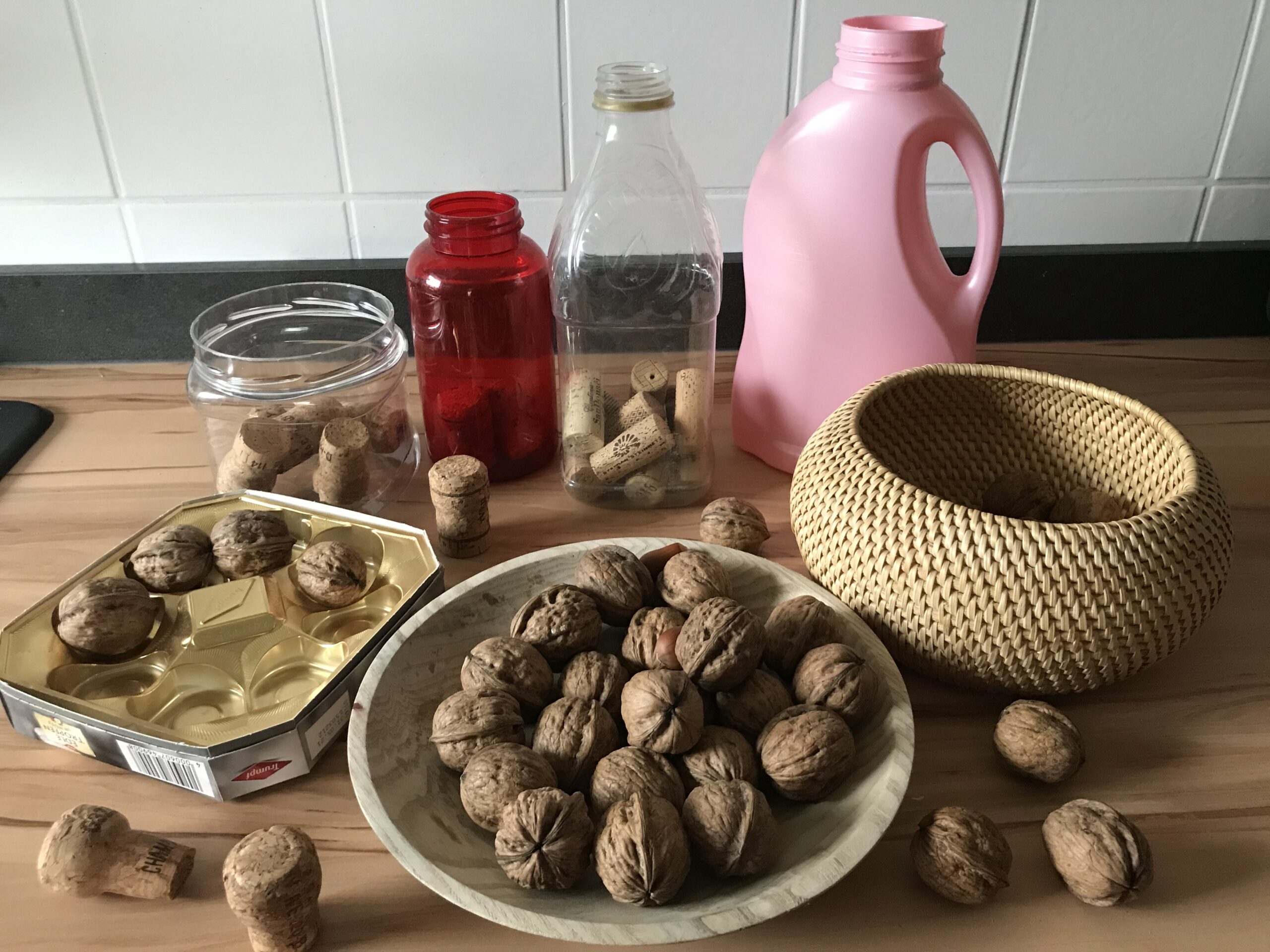
Key Points at a Glance: Waldon and DIRFloortime: Learning with the Heart and Hands Both approaches support the child’s holistic development—in different yet complementary ways. DIRFloortime strengthens relationships, emotional security, and communication. The…
To take a line for a walk
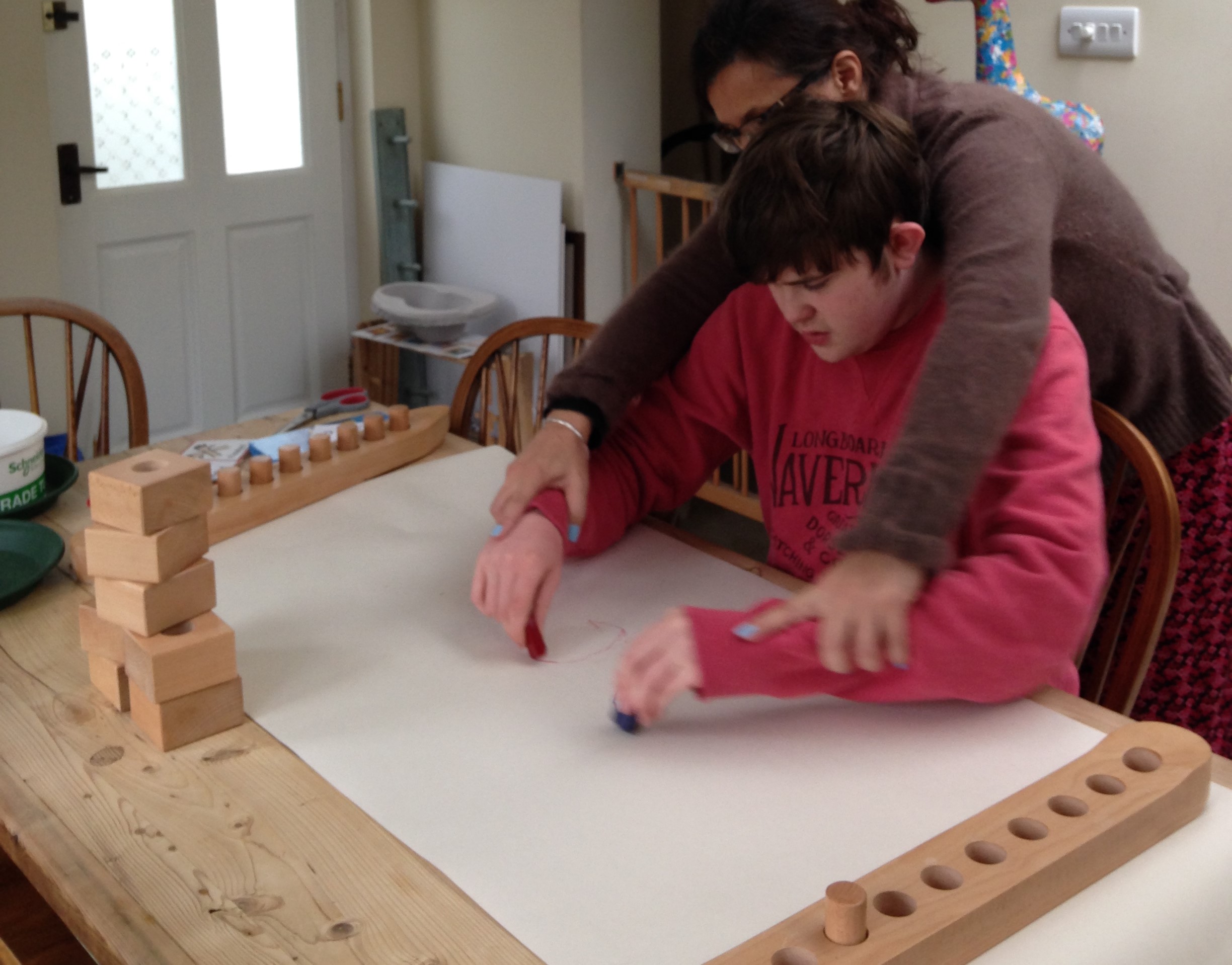
Drawing is much more versatile and creative than writing—and much simpler and more direct. It allows children to express their inner thoughts, ideas, and feelings and make them visible. Even a single line on paper tells us something about what…

Why praise hinders learning
When it comes to early play and learning, even well-intentioned praise can be counterproductive and lead to a dependence on being praised. But why is it so important not to praise or verbally encourage a child when they are deeply engrossed in early play…

Tips for fussy eaters
Many parents worry about what their children eat or don't eat, and how best to deal with picky eating. Here are 14 tips for establishing clear rules and routines to make mealtimes harmonious and reduce conflicts at the table…
The autism industry and its origins
Summary (by Ryan B. Collis) of the history of the diagnosis and intervention industry, which has evolved since the emergence of autism as an ontological category in 1943: Alicia Broderick’s (2022) book *The Autism Industrial Complex: How Branding,…*

Avoidance behavior: Function and meaning
The biggest obstacle to cognitive development and learning is the avoidance and defense strategies a child has developed to protect themselves from feeling overwhelmed. When, as a support person, you are aware of this, it opens up entirely new paths to understanding and…
When throwing is not a fun game
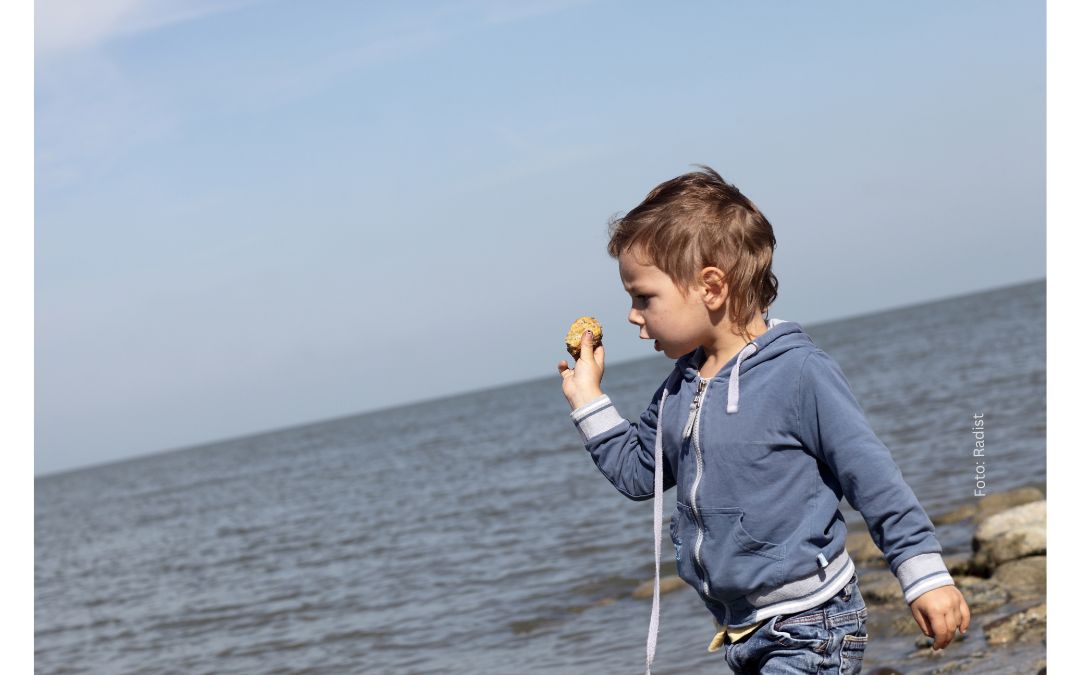
Throwing objects—from water bottles and toys to food, dishes, or even feces—can pose major challenges for caregivers and therapists working with „early“ children. Because the child often laughs boisterously while doing so and finds it so funny…
As a floor timer, you are like stage crew
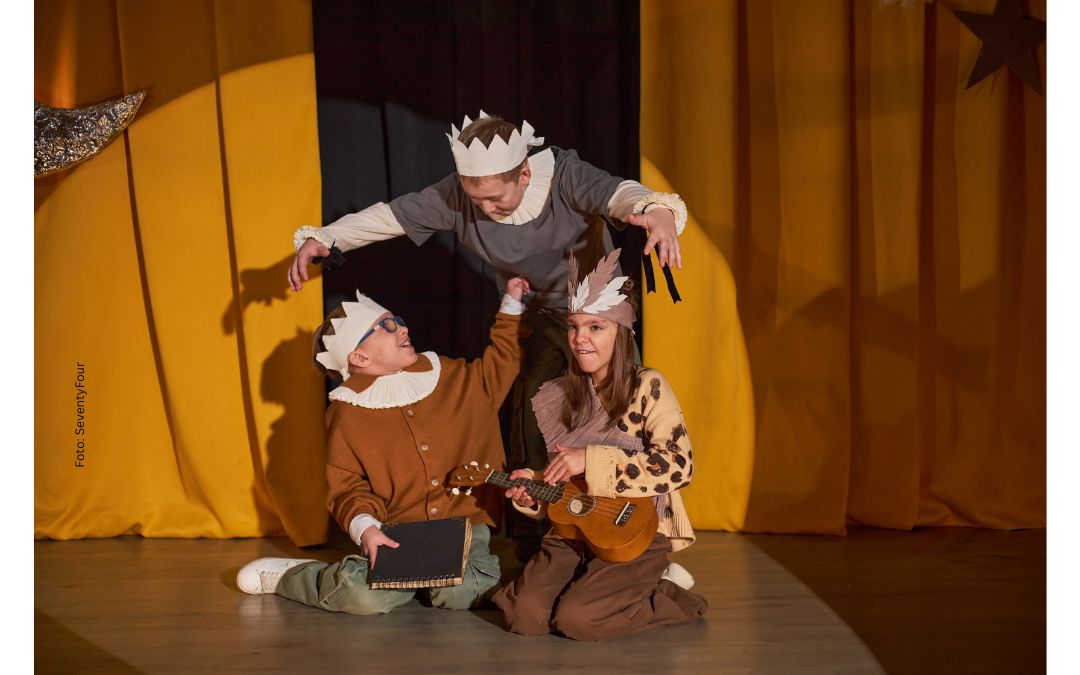
What distinguishes the Floortime approach from other methods? As with other approaches, the Floortime practitioner begins by observing the child and assessing his or her individual sensorimotor profile. In doing so, the focus is primarily on…

How animals walk (Animal Walks)
Movement games such as ‚walking like animals‘ are sensorimotor activities that are not only a lot of fun but also have a significant therapeutic effect in integrating residual reflexes, as well as serving as training for coordination, strengthening body awareness, and…
Autism diagnosis inflation
Since the early descriptions by Kanner and Asperger, the diagnosis of autism has evolved from a narrowly defined disorder to a broad spectrum. The revision of the diagnostic criteria for autism spectrum disorders (ASD) in the DSM-5 has…
What learning and speaking have to do with the hands
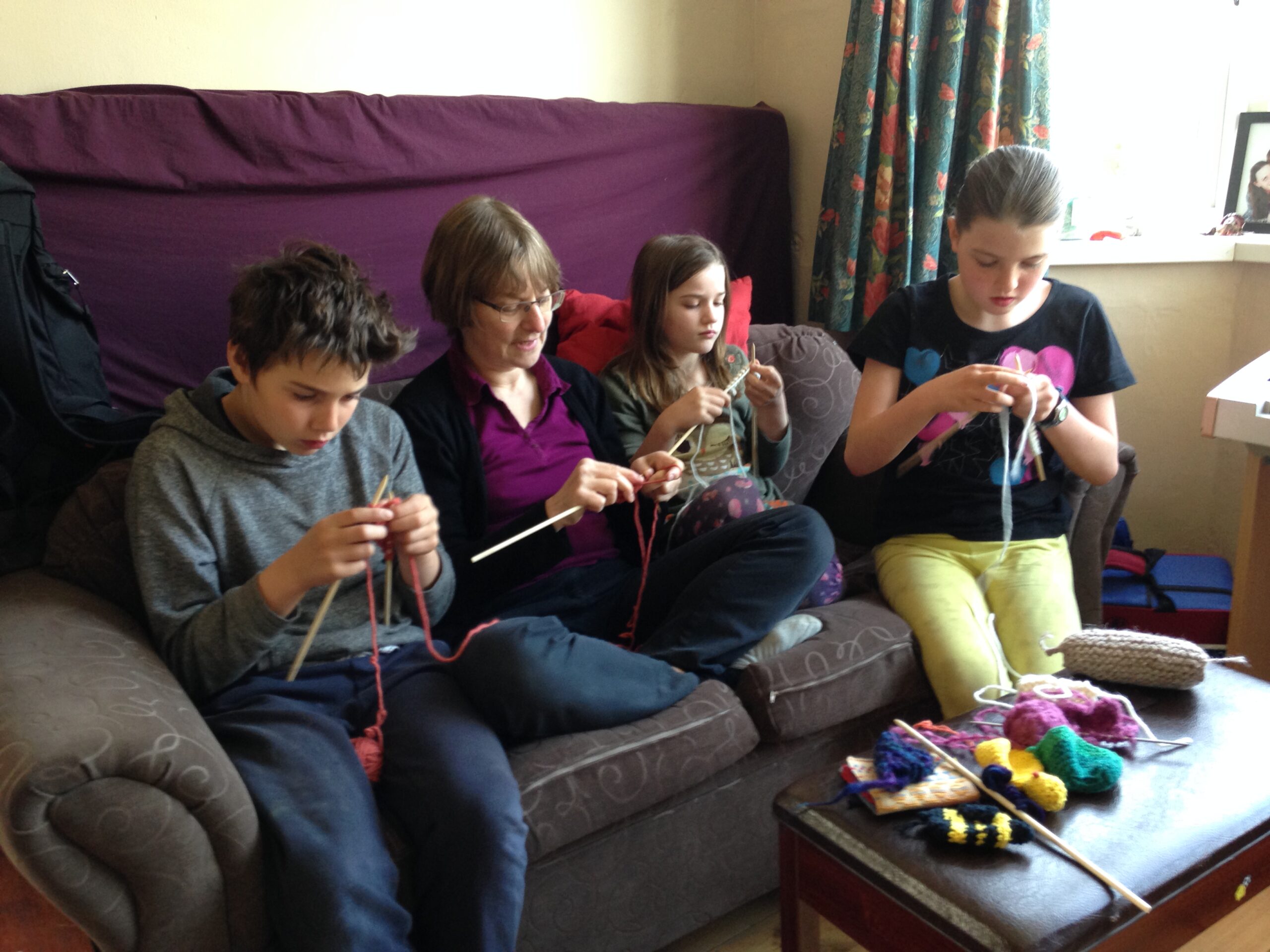
When people think of language and learning, they usually picture a child speaking and the brain as the center of development. But this view is too narrow. In fact, the origin of human intelligence does not lie solely in the brain, but begins with the…

Building towers is a development dead end
Building towers out of building blocks is an activity that adults often encourage and view as a sign of advanced development. Unfortunately, however, it is frequently a developmental dead end, especially for children with autism-like behaviors. This is because children (and…
Children who do nothing and cannot be reached
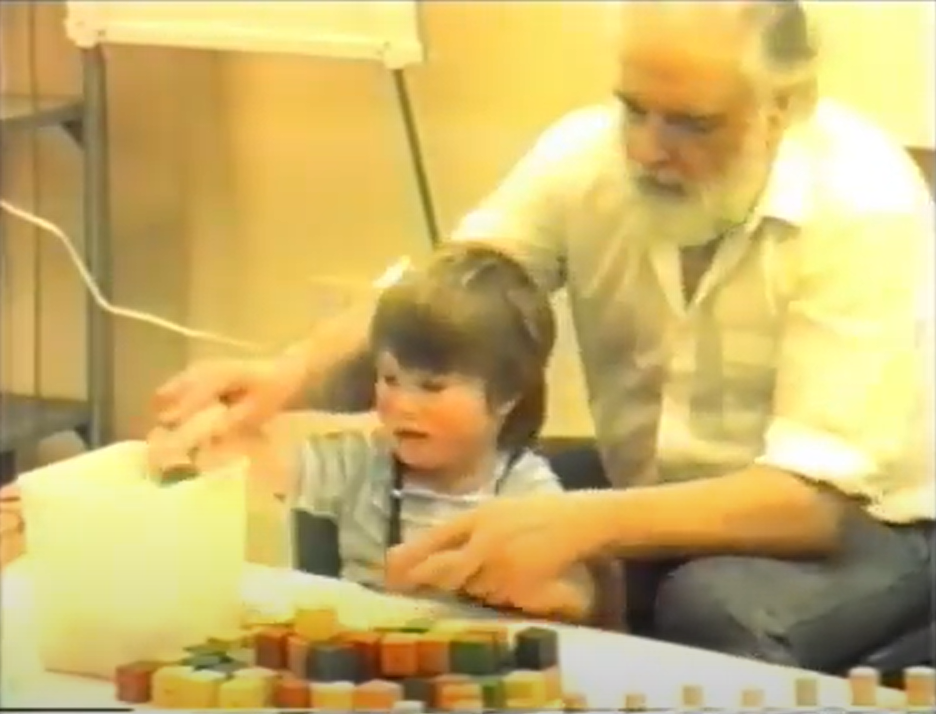
What can you do if a child simply won’t engage in interactive play, such as during Floortime? What if the child doesn’t even notice it? What if the child does nothing and doesn’t want to do anything? What if the child just runs back and forth, sits on the floor, lies around, or endlessly plays with something…
Strategies for healthy eating
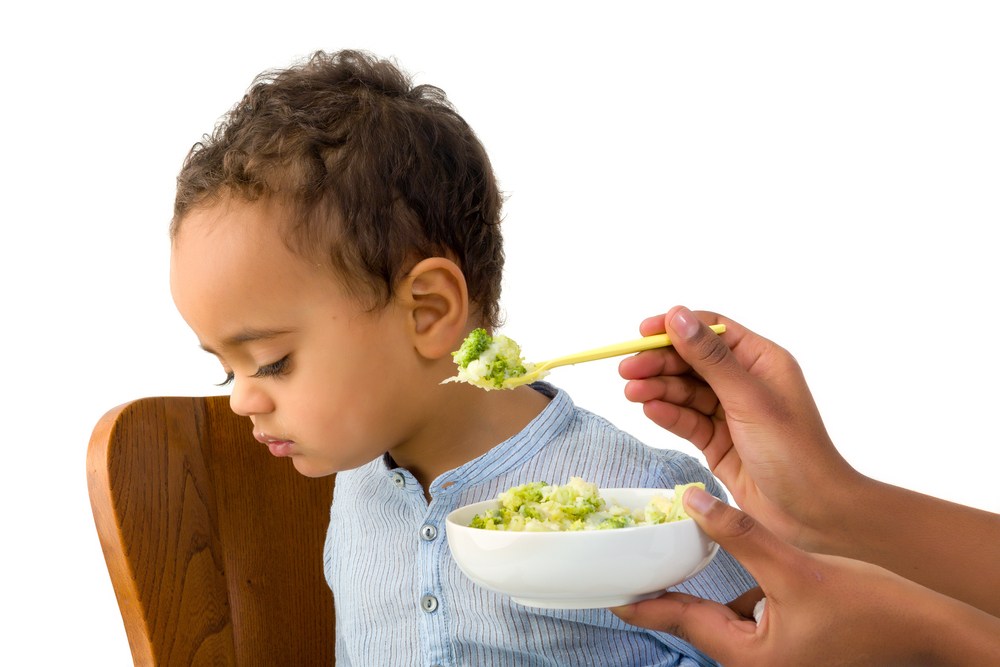
A healthy diet is essential for development and learning. But many children are picky eaters or have trouble eating. To help them, it’s important to know: What is the role of parents and caregivers? What should you do, and what should you…
Walking on tiptoe
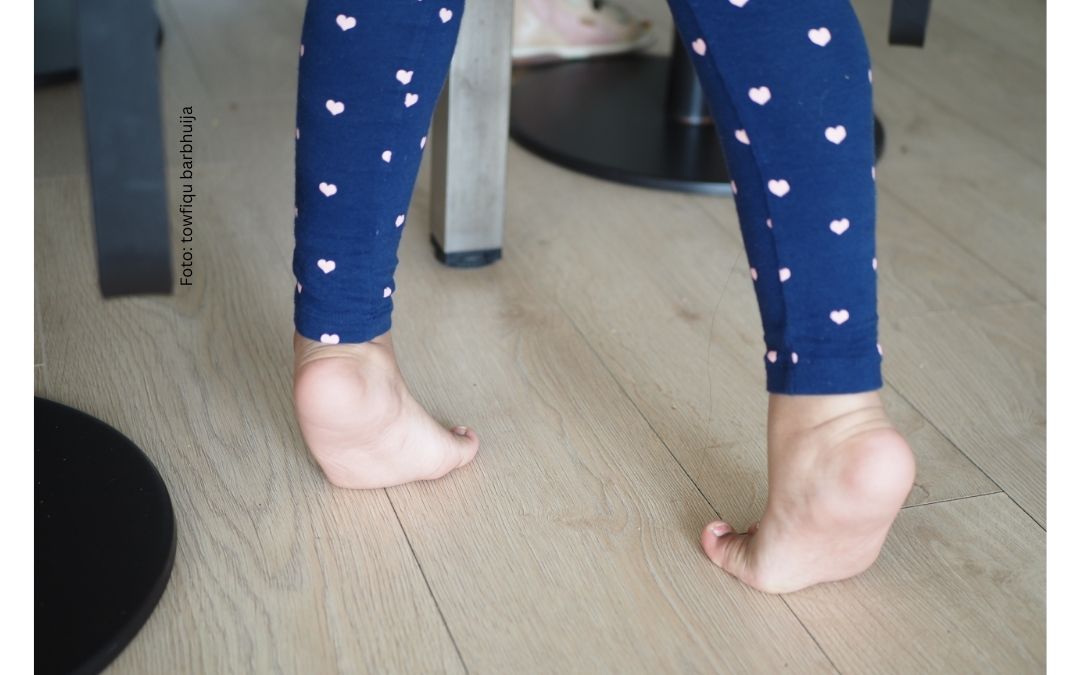
When children frequently walk on their tiptoes, it is not simply a motor quirk, but a profound physical reaction to internal stress that can quickly take hold and become a habit that is difficult to break….

30 Floortime game ideas: What else can you do with it?
The key question for creative Floor Time play is: What ELSE can you do with it? It could be an object, a movement, or even just a glance. Instead of focusing on teaching the child ‚how to do it right‘ and, in the case of functional…

Why small disruptions are good
When we work with children—whether as parents, therapists, or educators—we often strive for harmony, sensitivity, and smooth interaction. But as developmental research shows us: it is precisely the small disruptions and, above all, the successful…
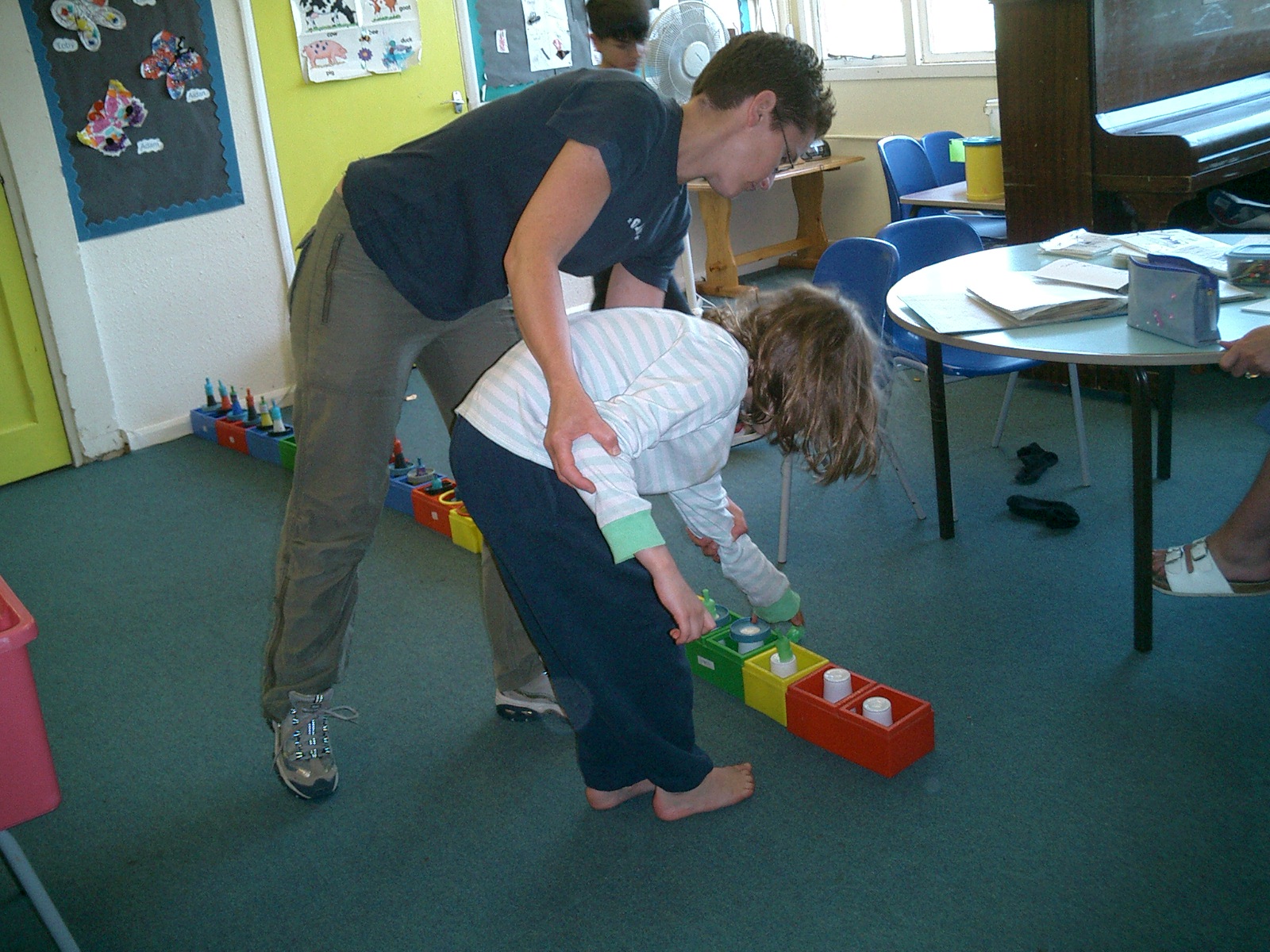
Supporting children with ASD in daycare and kindergarten
What do children in daycare and preschool need from their caregivers when they don’t participate, don’t join in, and don’t want to be shown anything? When they aren’t interested in the available play materials or activities? When they rely on a limited repertoire of…
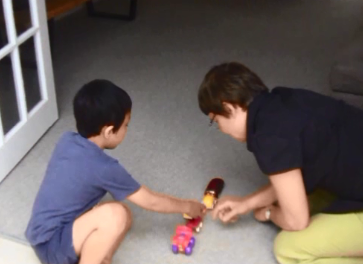
What is Floortime?
What exactly is Floortime? Floortime isn’t just another method or short training course that you can use every now and then—it’s an APPROACH based on a holistic view of human nature. DIRFloortime describes a…
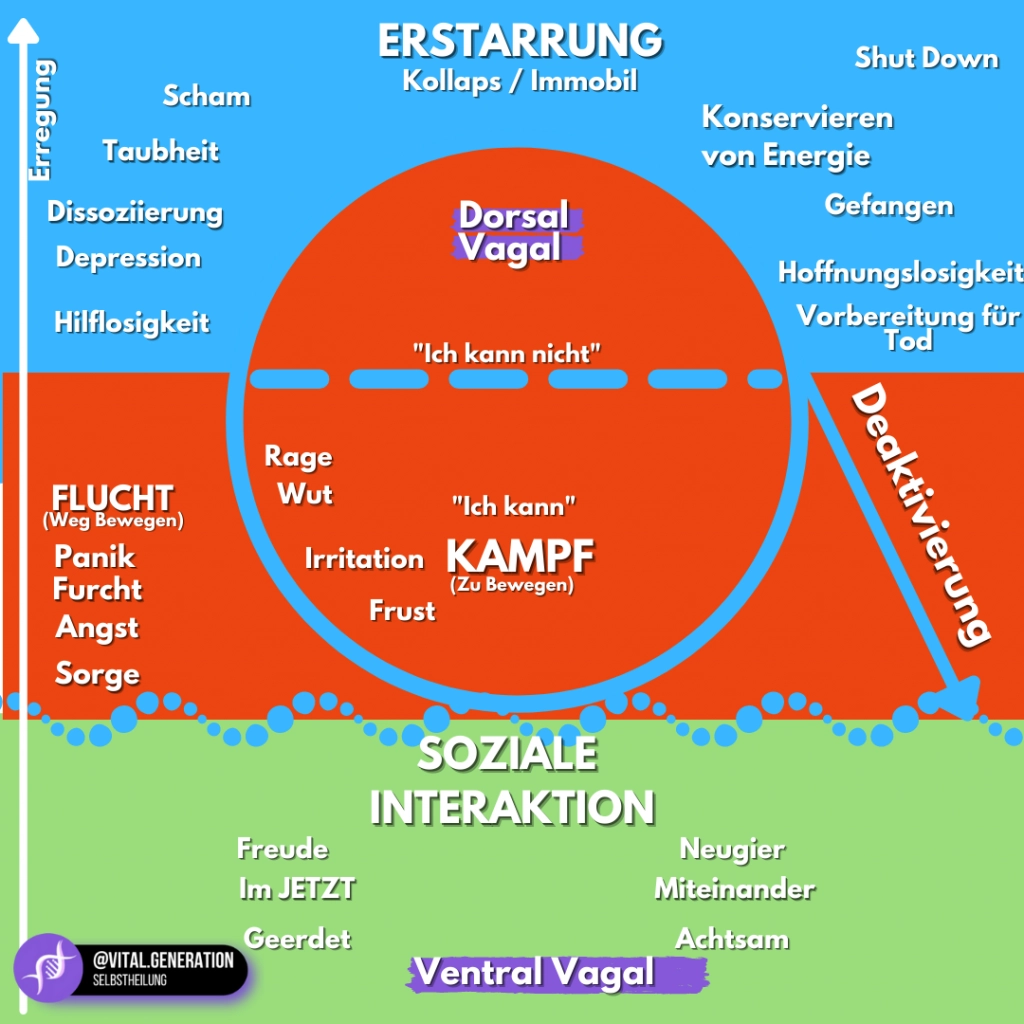
Understanding challenging behavior (green-red-blue)
We are often confronted with challenging behaviors, such as when a child exhibits very controlling behavior and simply refuses to stop doing something or insists on having their way. Traditional methods involving rational explanations to the…
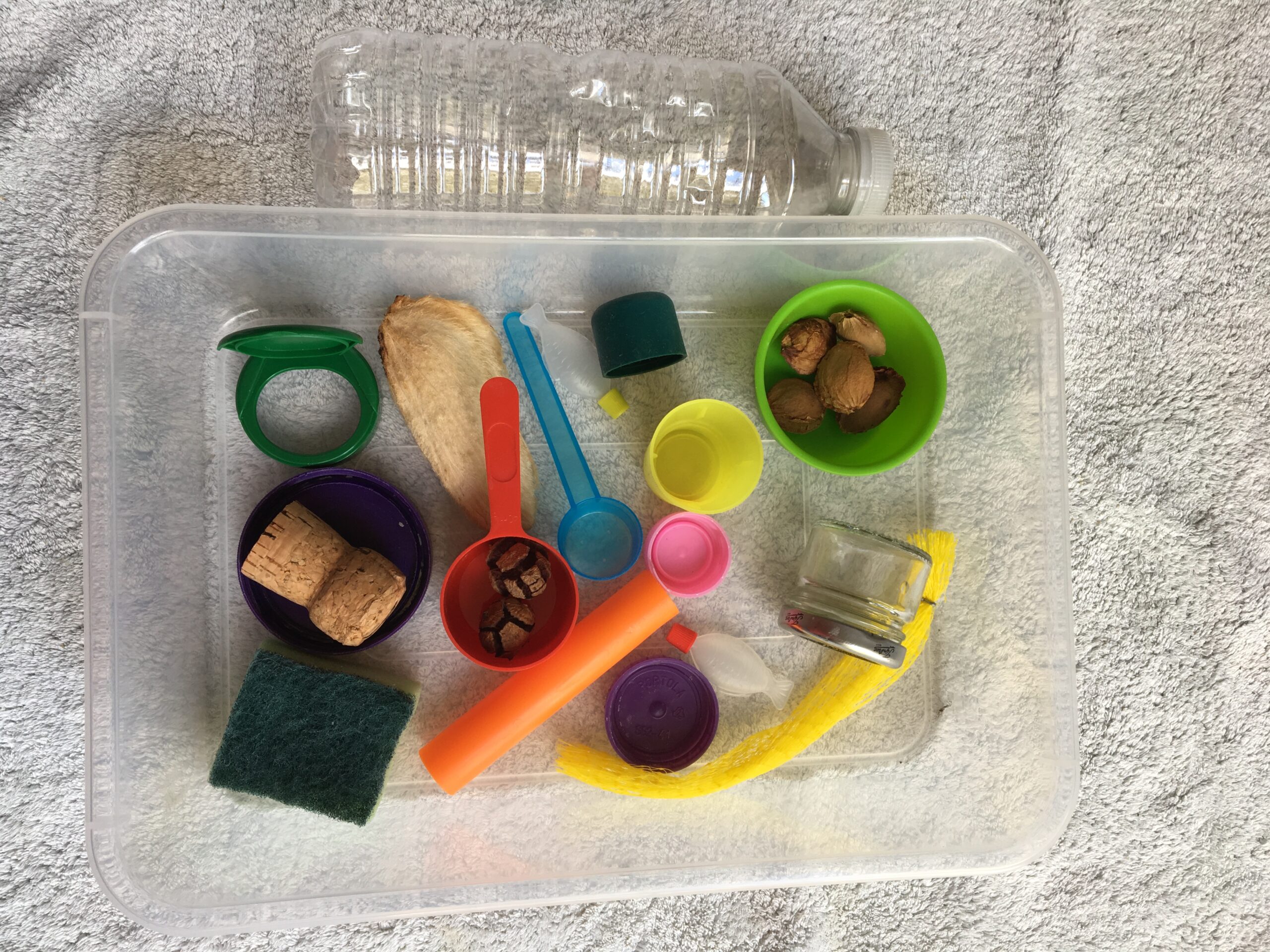
Water feature at the table
Water is this unique medium that envelops you and seems to offer no resistance; it can carry you, but you cannot hold on to it. To hold it, you need a container that gives the water a shape and a boundary, and then a second one…
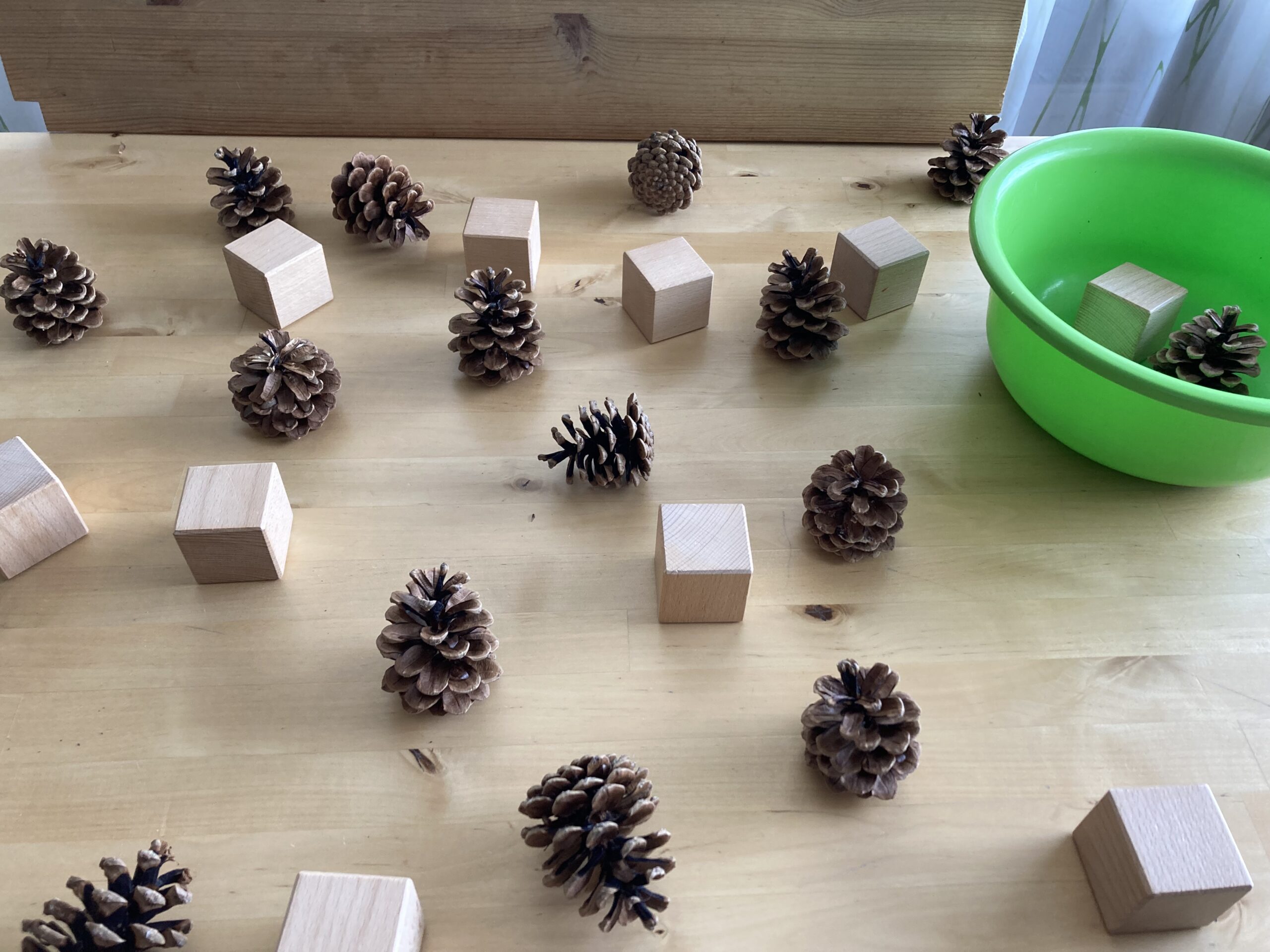
Early Play & Learning: The 6 Basic Principles
Learning begins with DOING. And doing requires, above all, the use of our hands. Young children are usually constantly busy reaching for things, wanting to „have“ them and hold them in their hands. And that is of crucial importance, because in this way…
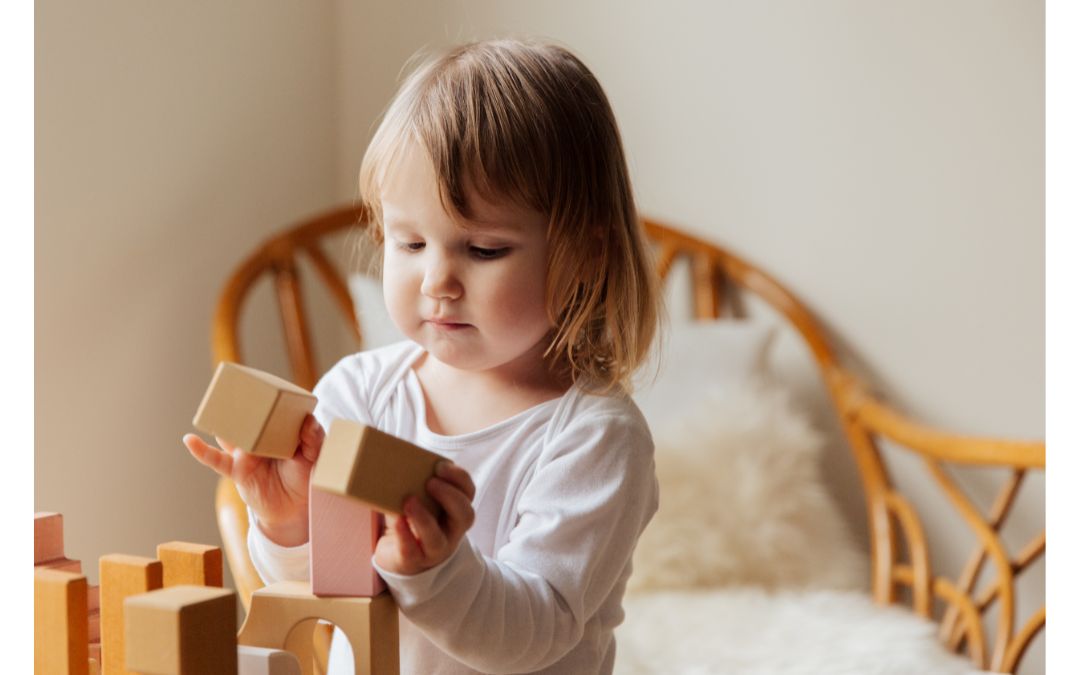
10 basic activities for early play & learning
A child must have sufficiently developed the following 10 fundamental play activities and basic movement patterns in order to be able to play and learn, since all further learning builds on these skills: 1. Picking up and putting in/setting down: Objects with the…
What do children who can't play and learn need?
More and more children are experiencing learning difficulties, which these days increasingly lead to a diagnosis of autism. They often have only a few activities to keep them occupied, leading to a vicious cycle of fewer and fewer new and more limited experiences. This…

Game activity: Form pairs
When it comes to matching, the first step is to understand that two objects form a PAIR because they are more similar than different, even if they are not exactly the same. Early matching begins with learning to match two identical objects that…
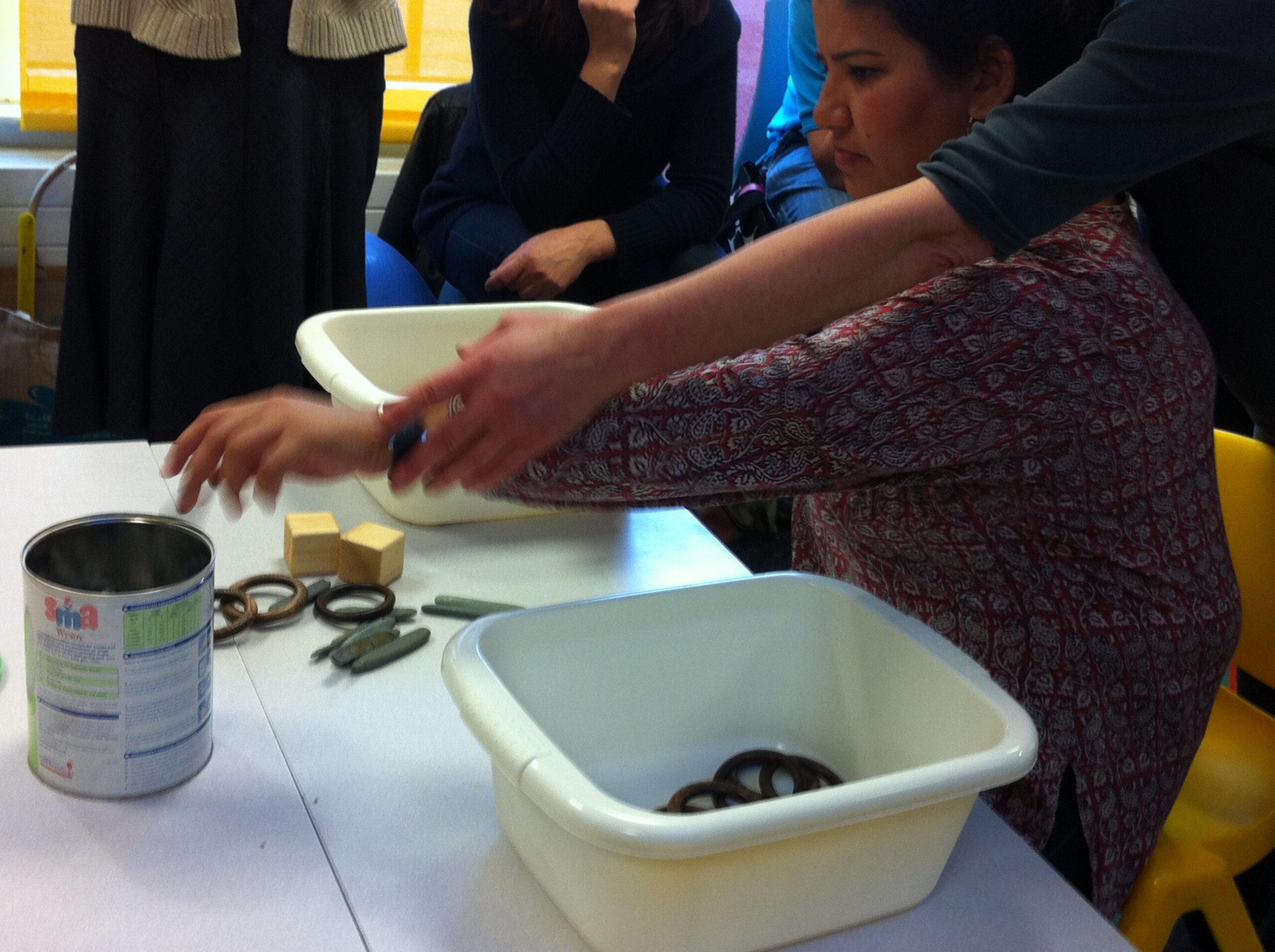
Guide for the Waldon companion
The Waldon Learning Guide (for parents and practitioners) in a non-interactive learning session is aware that: The child learns primarily through his or her own movements within the available* space close to the body (*sometimes physical limitations restrict the…
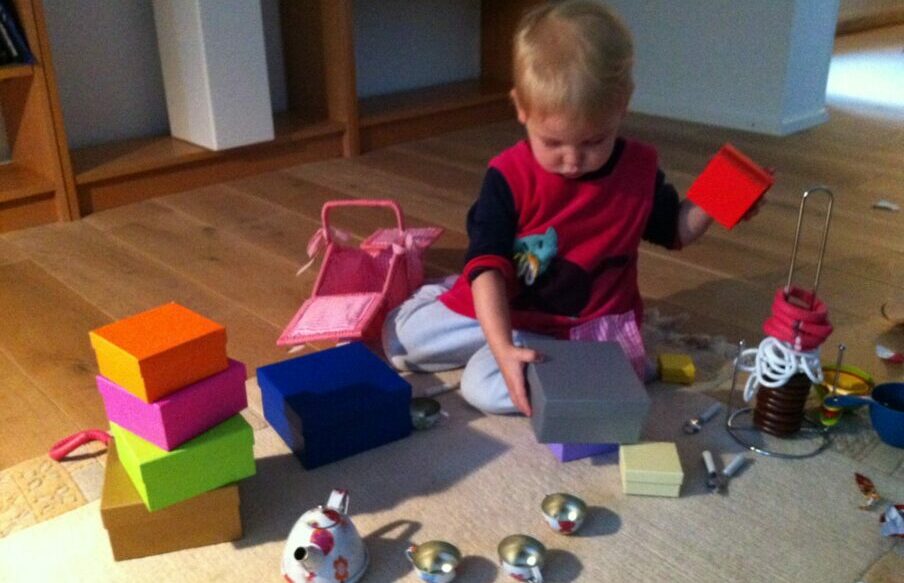
The Waldon Method I: Where 'Learning to Learn' Begins
How can we help a child who is hard to reach—one who finds nothing interesting and does nothing else, nor wants to do anything else, except run back and forth, hop around, lie around, shake things, throw things, scream, or bite? In such cases, I often turn to the Waldon Method…

The Waldon Method II: The Learn-to-Learn Equipment
The Waldon Method is an educational approach developed by the English neurologist Dr. Geoffrey Waldon, based on direct observations of typical human development and the fundamental mechanisms of learning during the first months and years of life. While the ideas…

The Waldon Method III: The Waldon Lesson
The Waldorf Practitioner As a Waldorf practitioner and learning guide, one is aware that children learn primarily through their own movements. Why? Movement activates the sensory receptors in the muscles, joints, and tendons and sends nerve impulses to the…

Key turning points in the development of a child
Healthy development is the result of rich and varied interactions between the child and his or her environment—both with people and with the objects around him or her. Although every child is born with certain personality traits, temperaments, sensory and…
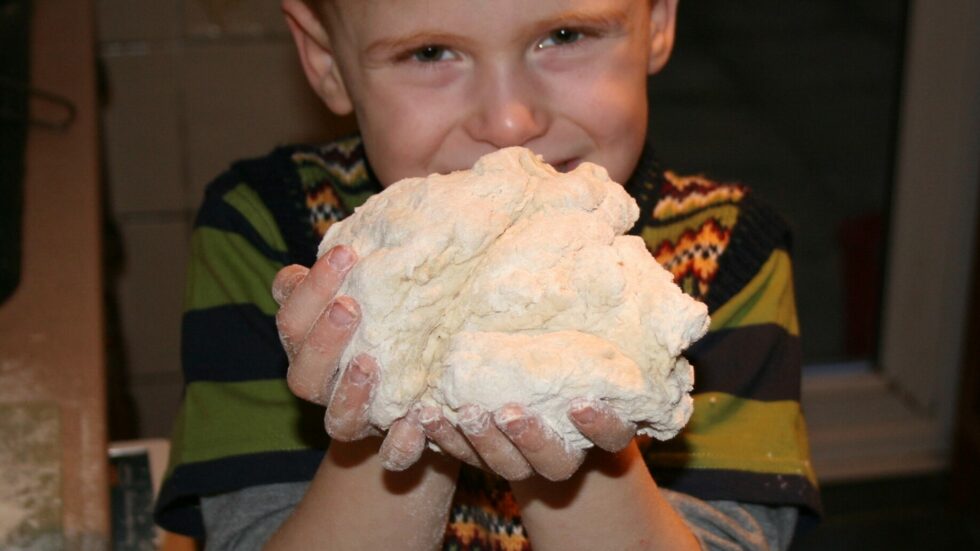
Play dough recipe
This classic children's play material is so easy to make at home that you'll never want to buy it again! The best way to start is simply with your hands and your imagination (without any store-bought tools or cookie cutters) to maximize the sensory experience…

Set up indoor gym for a small child
It’s winter or fall, and it’s miserable outside. You’ve spent the whole day indoors. Or maybe you were outside, but your child is still full of energy, running around aimlessly or jumping noisily on the sofa. You’ve run out of ideas. It’s…

Problems with speech comprehension
Understanding Language Understanding language begins when a child feels like an effective communicator and repeatedly experiences that there are loving people around them who understand what they mean when they use their body to…

Mouth and face games
Mouth-and-face games—which are essentially larger-than-life versions of the face-to-face games played with babies—are probably the most important „games“ for encouraging an autistic child to speak and take an interest in human interaction….
10 important strategies for language comprehension
10 Developmental Strategies to Help Your Child Understand Language Look at what your child is looking at AND look at your child’s face so you can tune in to your child’s emotional state. Remember that the meaning of words isn’t found in the object itself,…

The basics of language development
Human language is not merely a learned behavior; rather, it consists of complex social communication about emotional and mental states, thoughts, and ideas, using symbols and cultural meanings. 1. Divided Attention When a…

Showing is the first sentence of a child
Shared Attention Shared attention is the process of sharing the experience of observing an object or event by following another person’s gaze or pointing gestures. It is the mental development from a dyadic relationship to a…
The gestures of the child are what he wants to say
Gestural Communication Long before a child learns to speak—that is, at least during the first 15 months—it communicates through GESTURES: using its hands and fingers, pointing, giving, reaching out, pushing away, …BODY LANGUAGE: they move their foot to say, „Do it again,“…
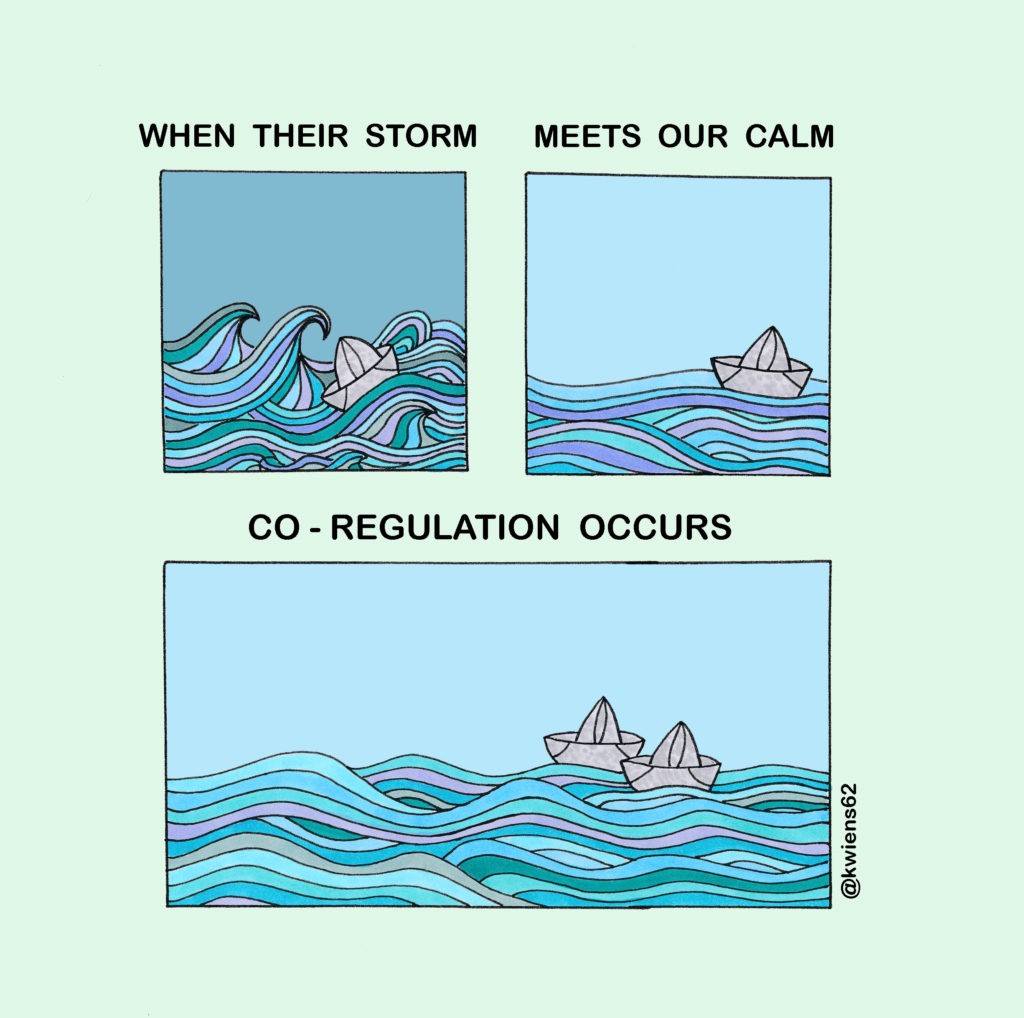
Co-Regulation
Self-regulation arises from co-regulation. The ability to self-regulate is fundamental to healthy development and forms the basis for all further learning and cooperative behavior. This involves responding to challenging behavior…

Joint problem solving: Every interaction - a good interaction!
Collaborative Problem-Solving: Every Interaction—a Good Interaction! If we want to help a child climb the developmental ladder, then problems are our best friends and allies! After we put Bruno’s beloved letters into a screw-top jar earlier…

He loves water!
Water is this unique medium that envelops you and seems to offer no resistance; it can carry you, but you cannot hold on to it. To hold it, you need a container that gives the water a shape and a boundary, and then a second one…

How shelves promote language development
Did you know that toy shelves promote language development? Everything has its place, instead of disappearing into a big box or just lying around somewhere. Everything that has its place has a name. There are the small pieces that tend to fall into categories…

Floortime is evidence-based
Young children with autism-like behaviors or a suspected diagnosis of autism are currently a «hot» topic around the world, as the number of such children has been rising at an alarming rate in recent years. Educational and…

Oral motor fun toy in 1 minute!
Fun activity that's cheap and quick to make for children to develop speech muscles and blowing skills for breath control: https://youtu.be/YqcEd3VU9hU
